
Case Hyundai
Applied solutions
Project overview
But what is Hyundai?
Hyundai Motor Company aims to offer the best service to consumers by combining cutting-edge technology, high quality standards, and excellent value for money. Through continuous investments in innovation, research, and development, the brand stands out for creating vehicles with modern design, advanced engineering, and intelligent mobility solutions. This strategy has enabled Hyundai to establish itself as one of the world’s five largest automakers, becoming a global reference for competence, technology, efficiency, and creativity in the automotive sector.
In Brazil, an important milestone in this journey took place in April 2007 with the inauguration of the Hyundai Caoa manufacturing plant in Anápolis, Goiás, marking the start of HR pickup truck production. Since then, Hyundai has strengthened its presence in the Brazilian market through strategic investments, expansion of its dealership and service network, and local manufacturing. These initiatives have provided greater logistical efficiency, better alignment with the needs and preferences of Brazilian consumers, and increased customer trust in the brand, reinforcing its commitment to delivering modern, safe, efficient, and affordable automotive solutions.
One of the solutions implemented by ACURA ensures traceability for one of the world's largest automotive companies
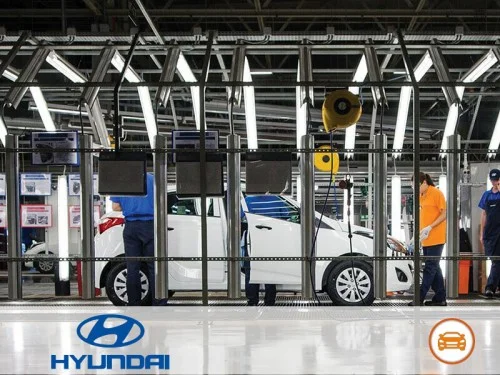
Large-scale industrial operations require absolute control over materials processes and production flows. In a highly automated automotive environment with strict quality standards part traceability becomes a critical factor to ensure operational efficiency loss reduction and production continuity.
Within this context Hyundai identified the need to modernize the monitoring of production stages by replacing manual controls with an automated system capable of providing real-time visibility of component movement throughout the assembly line. The goal was to eliminate human error prevent rework and ensure greater predictability in industrial operations.
The adopted solution was based on radio frequency identification technology using the UHF M6 reader UHF Titan General tags and compact monostatic antennas. The equipment was selected for its robustness stable reading performance and compatibility with the demanding conditions of the manufacturing environment ensuring continuous operation even under harsh industrial conditions.
By applying Titan General RFID tags directly to the parts the system began to automatically record each movement along the production line. Antennas installed at strategic points capture the information without human intervention ensuring continuous traceability and reliable data on the status of each item.
Automating this process resulted in greater operational agility a significant reduction in material losses and the elimination of manual inspection activities. Additional benefits included increased data reliability optimized production time and greater stability of industrial flow reinforcing the efficiency and safety of a high-performance automotive operation.
PRODUCTS USED
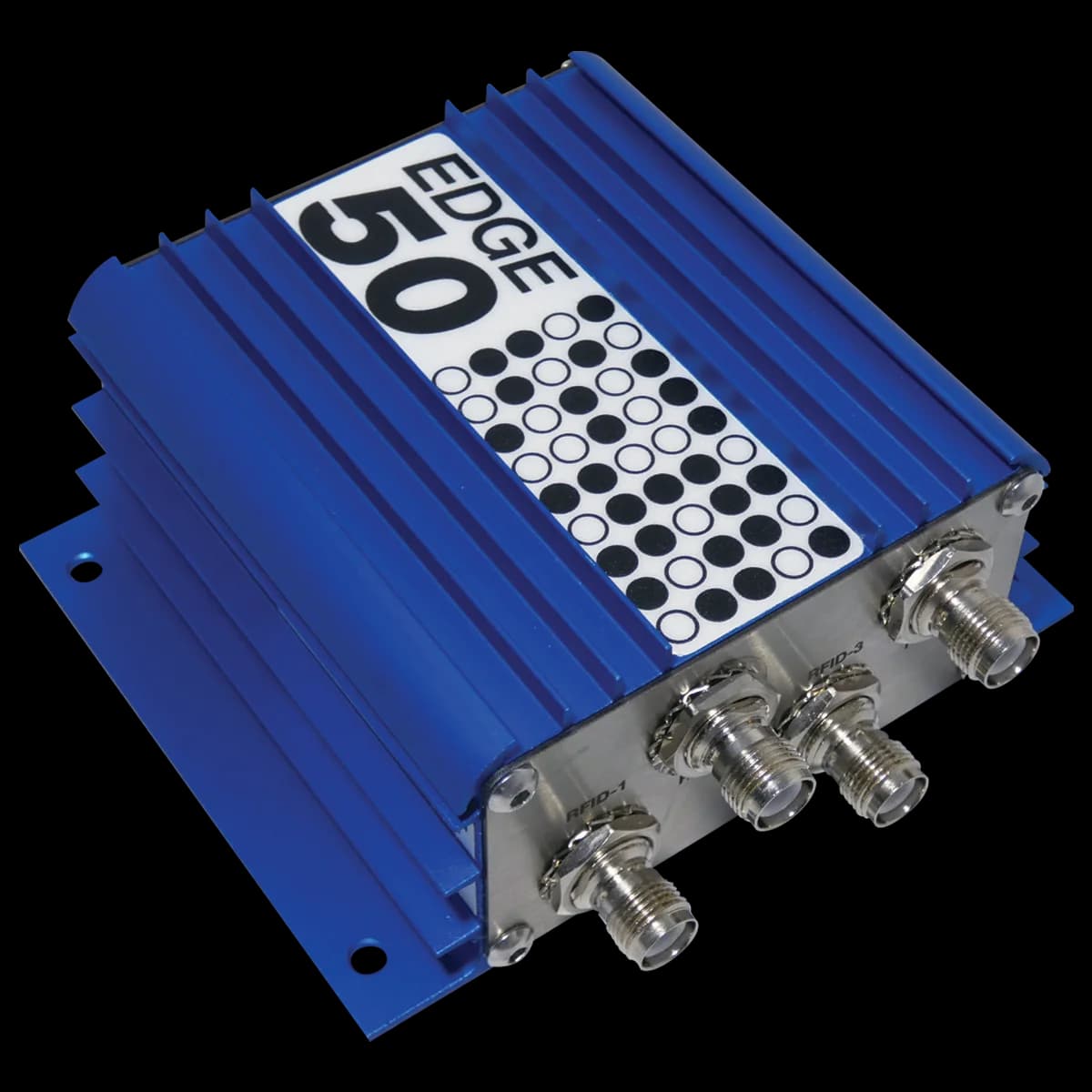
EDGE-50 TCP-IP
Is a compact, high-performance UHF RFID reader, designed for applications that require TCP/IP communication. It delivers fast, stable, and reliable reading, making it ideal for system integration and automation solutions.
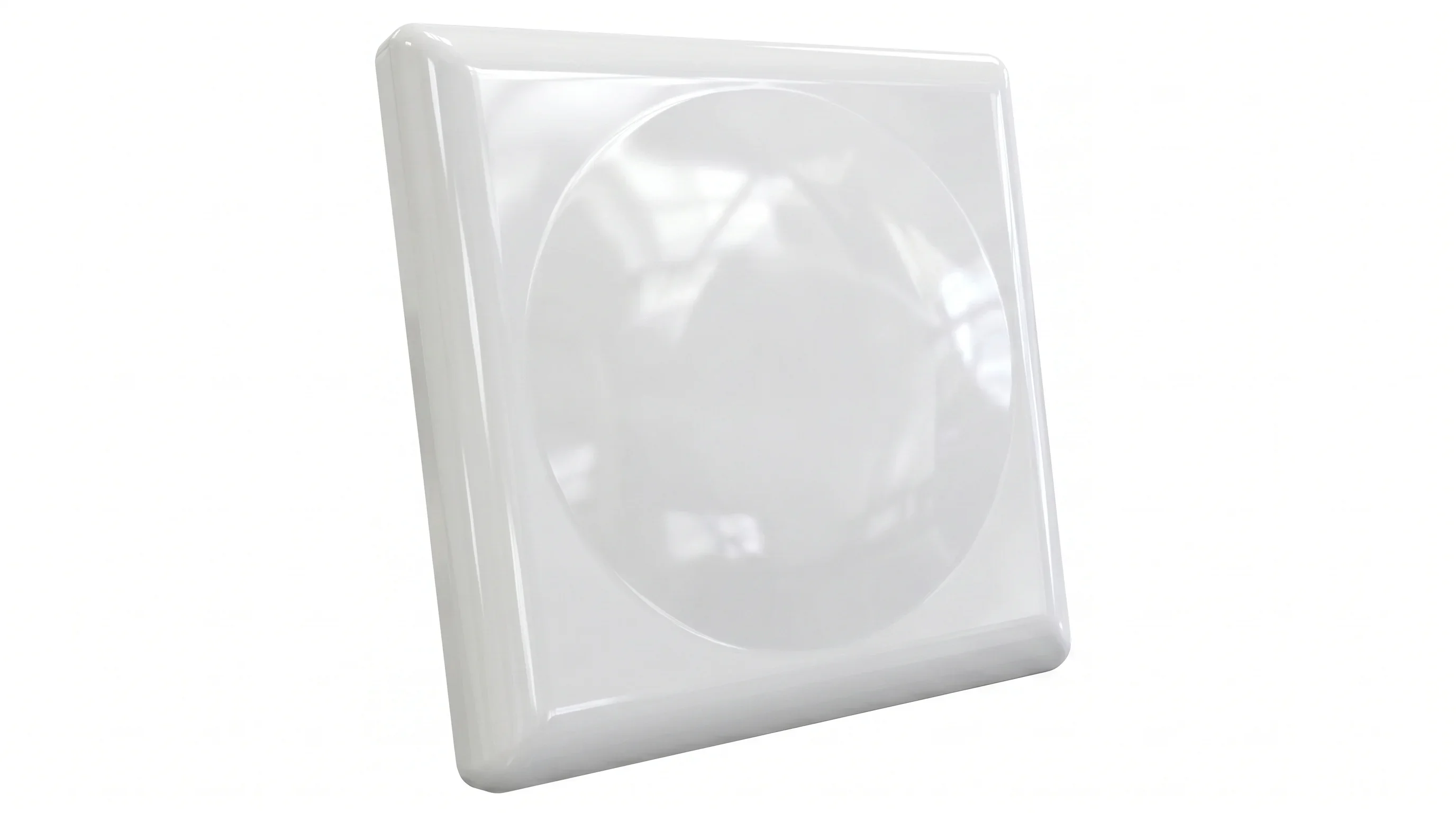
MTI Mono Circular 7 UHF Antenna
The Compact Monostatic UHF Antenna has great performance, resistance and a great design
Want to compare other scenarios?