

RFID for live events: benefits and use cases
Live events are big business, and attendees' spending on travel and hospitality can even influence national economies.

Live events are big business, and attendee spending on travel and hospitality can even influence national economies. Sweden’s higher inflation rate was attributed to the Beyoncé concert in Stockholm last May, as hotels and restaurants raised prices to profit from the influx of foreign fans.
The Paris 2024 Olympic Games are expected to attract 3 million additional visitors to Paris and 15 million visitors to France, generating an extra €4 billion in tourism spending.
In addition to attracting billions of dollars in tourism, sponsorships, and infrastructure investment, major sporting and music events are a source of national pride and form a fundamental part of cultural identity. The Super Bowl event attracted 61,629 fans to Allegiant Stadium in Las Vegas in 2024 and 123.4 million TV viewers.
The British Glastonbury festival is estimated to contribute £100 million to the local economy. In fact, the 160-year-old Wellington boot brand Hunter cited the cancellation of the notoriously muddy outdoor music festival in 2020 when it filed for administration in June 2023.
It is therefore no surprise that the global events industry is forecast to reach US$ 1,552.9 billion by 2028 and US$ 2,972.4 billion by 2031, with a compound annual growth rate of 13.7%.
However, organizing large-scale live events is a huge undertaking. The first and foremost concern is always public safety. Organizers are increasingly turning to technology to strike a balance between delivering a safe event and meeting growing expectations for an excellent customer experience.
Crowd management and safety
Overcrowding poses a major risk to event safety, so it is vital that organizers can control the number of people entering a venue.
High-value events can attract counterfeiters. Combating ticket fraud helps prevent overcrowding and keeps genuine ticket holders safe.
Emergency response and evacuation procedures must be firmly established in advance. Having clear visibility of the number and location of attendees within the venue supports efficient evacuation, saving vital seconds.
How RFID supports crowd management
In 1989, 97 Liverpool football club fans died from crush injuries after a main gate was opened and the crowd surged into the stands at Hillsborough Stadium. This distressing incident underscores how vital it is for event organizers to ensure that only valid ticket holders are permitted entry into capacity-limited venues.
Ensuring the safe entry and exit of hundreds of thousands of people at a venue is the primary responsibility of any event organizer. Electronic turnstiles, containing high-performance ticket readers versatile enough to read barcodes, RFID, mobile NFC, or cEMV tickets and wristbands, allow large volumes of people to be scanned quickly and efficiently. This combats ticket fraud and prevents dangerous overcrowding by allowing only genuine ticket holders to pass through in a controlled and secure manner.
These systems instantly “bank” tickets to prevent people from gaining access with duplicates. This combats dangerous overcrowding that can occur when tickets are checked manually, gate staff become overwhelmed, and multiple counterfeits slip through.
Accurate attendee counts support emergency response
In the event of an emergency, such as a fire at the venue, it is critical that evacuation is smooth and rapid and that everyone can be accounted for at designated assembly points. Access control data, wearable RFID tags, and Bluetooth® Low Energy beacons provide a precise real-time location system for event attendees and venue staff, enabling emergency teams to quickly assess whether anyone remains inside and requires assistance.
Using RFID to increase revenue
In addition to security benefits, RFID readers at entry points enable easy and efficient access control for hundreds of thousands of attendees. This allows eager fans to enter the venue faster, giving them more time to make additional purchases of food, drink, and merchandise before the show begins.
With the appropriate support systems in place, fans can also use RFID wristbands and tickets to make electronic payments for merchandise, drinks, and food simply by tapping their wristband, ticket, or mobile device on a reader at the point of sale.
While making transactions more convenient for attendees, contactless payments enabled by Bluetooth, NFC, and RFID solutions allow organizers to gain visibility into sales from third-party catering and beverage vendors, enabling accurate forecasting of catering requirements for future events.
The Chester Racecourse is the world’s oldest horse racing venue, yet it has implemented one of the most modern access control and event management platforms. The intelligent access control management and electronic ticketing system combines handheld RFID readers, mobile barcode scanners, and electronic food and beverage tokens that can be redeemed by staff and guests. The system made ticket verification more efficient, improved the customer experience, increased engagement, and boosted racecourse revenues.
The benefits of having an integrated event management platform include:
Access control management compatible with multiple contactless technologies
Enhanced security
Reduced ticket fraud
Real-time visibility of crowd numbers
Support for contactless payments (more convenient for fans and increases on-site spending)
Improved customer experience
Increased revenue
Greater customer engagement
Personalized tickets that become post-event souvenirs
Event analytics to support future event planning
RFID and fear of missing out (FOMO) – leveraging social media to drive future sales
Leading event organizers allow fans to use their ticket, NFC-enabled mobile device, or RFID-enabled wristband to check in at various points throughout a festival or exhibition and share their experience with friends on social media. This user-generated publicity creates additional buzz around the event to attract future attendees.
To make the experience more fun and interactive, some art installations use RFID to trigger additional effects such as light, sound, music, video, or background information about the artist whenever attendees tap their RFID ticket on a reader.
Applying RFID to increase spectator engagement
RFID offers numerous applications to enhance security, sales, and attendee engagement.
Traditionally used for industrial asset tracking, RFID is now being applied to allow indoor golf fans to measure the location and speed of each ball, automatically recording scores as they compete with friends.
For armchair sports fans, RFID provides live tracking capabilities that enable exciting in-game analytics. Adding value to live event coverage can increase live-streaming subscription revenues.
For example, Quuppa technology supports highly accurate real-time location systems (RTLS) across many industrial applications. This location-tracking precision has also been applied by sports event organizers to enhance live coverage of ice hockey matches. Quuppa, combined with RFID technology, is extremely effective at tracking ice hockey pucks as they move across the surface at lightning speed, allowing viewers at home to see exactly where the puck is.
RFID and Quuppa-enabled tags on the puck and players’ jerseys are tracked by readers installed in the arena ceiling. This allows broadcasters to provide live analytics on which players have made the most passes, the speed and current position of the puck, and which team is controlling play.
Conclusion
A robust event management platform that supports multiple RTLS technologies enhances safety by improving access control efficiency, preventing turnstile bottlenecks, and avoiding venue overcrowding.
Smooth and efficient access control also supports profitability by allowing fans sufficient time to make additional on-site purchases before the show begins.
Likewise, by supporting contactless payments through near-field communication (NFC) on mobile devices or prepaid wristbands, fans can spend less time in queues and more time enjoying the action and sharing the experience with others on social media.
By seamlessly combining RFID, barcode, cEMV, and NFC technologies for access control, electronic ticketing, and electronic payments, event organizers can walk the fine line between keeping fans safe and keeping things fun—which is what people are paying for.
RELATED NEWS
.webp)
ACURA Part of HID announces the launch of the EDGE-35R and EDGE-55 RFID readers, expanding its portfolio of intelligent applications.
ACURA Part of HID, a leader in identification and automation applications, announces the launch of two new UHF RAIN RFID readers that raise the standard for vehicle identification: EDGE-35R and EDGE-55.
RELATED PRODUCTS
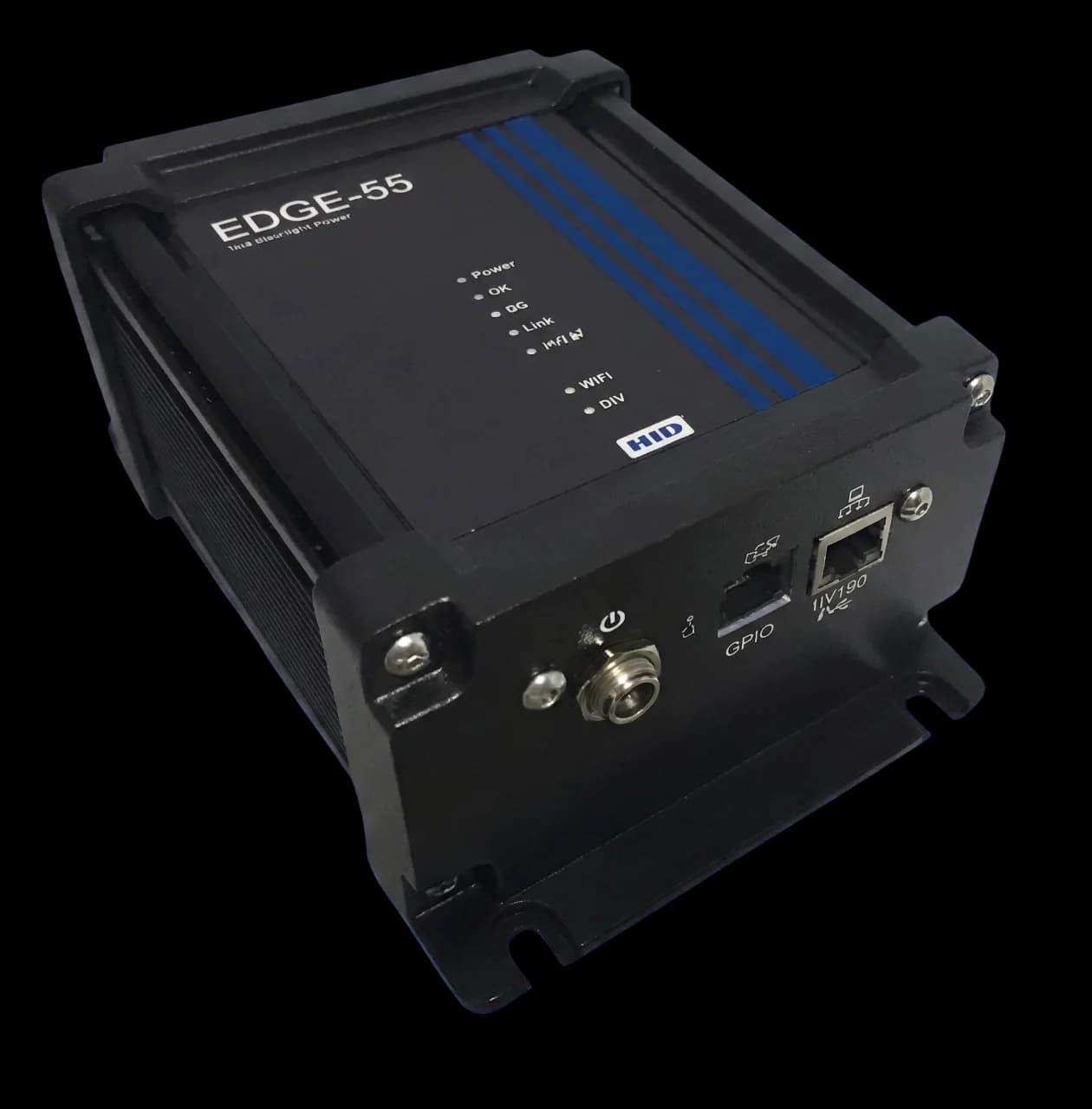
EDGE-55
Ideal for applications in retail, industry, and logistics, offering high performance, accurate reading, and easy integration with different systems and operational environments.
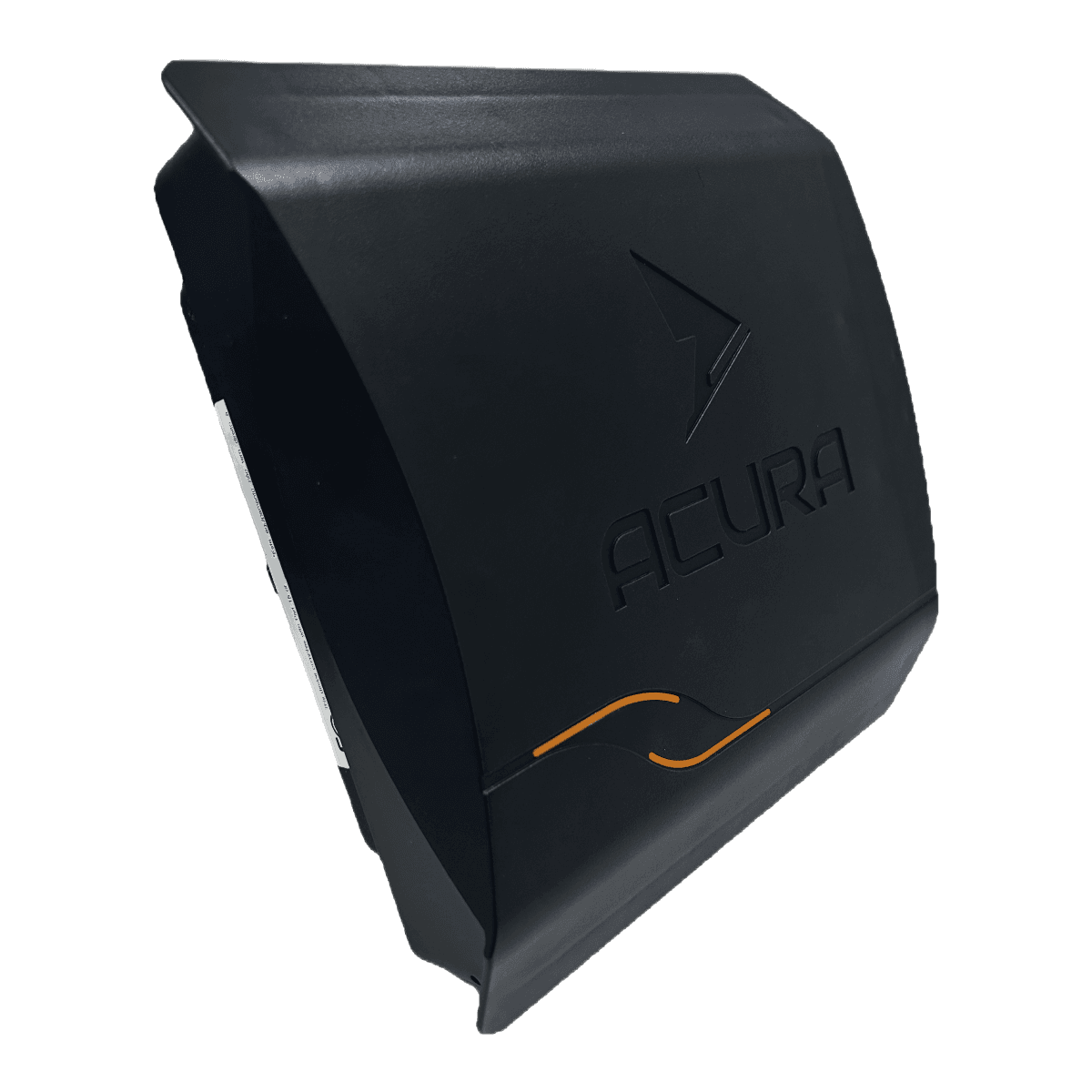
EDGE-35R
The Acura EDGE-35R UHF HID RFID reader is a high-performance and versatile RFID application designed to meet a variety of needs.

Adept RFID Tags
Premium industrial RFID tag with a robust design for specialized applications, metal-mount capability, and stable RAIN UHF performance in demanding conditions.
RELATED CASES
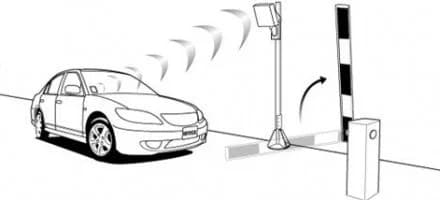
Vehicle access control
RFID technology has revolutionized access control systems, offering a secure and efficient solution for managing entry and exit points.